
Skip to content
VR Web Devs

Blog

Notes on getting found online

Plain-English guides for business owners: what things like SEO and Google Business Profile mean, and what to do about them.

Topics

70 posts

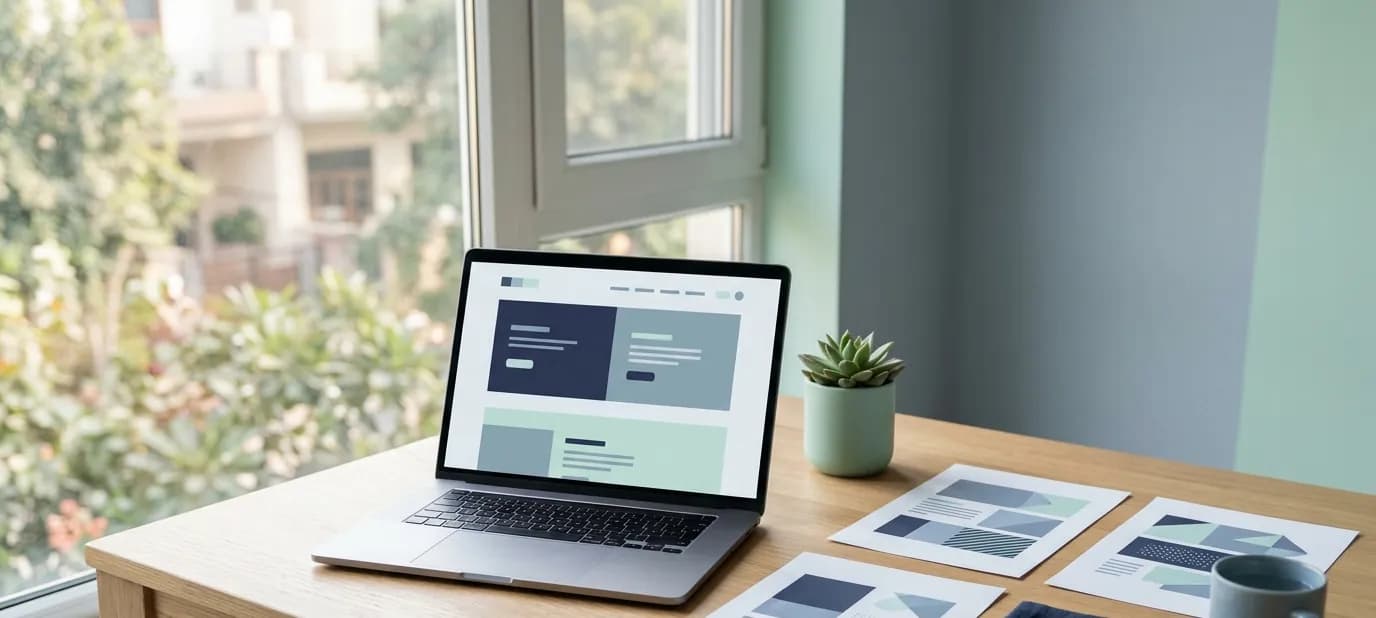
  • A calm workspace with a laptop showing a clean business websiteGuide
    3 min read

    Does a local business really need a website?

    If your shop is busy and your customers love you, a website can feel unnecessary. Here's an honest look at what a website does for an established local business, and when it matters most.

    Read the guide
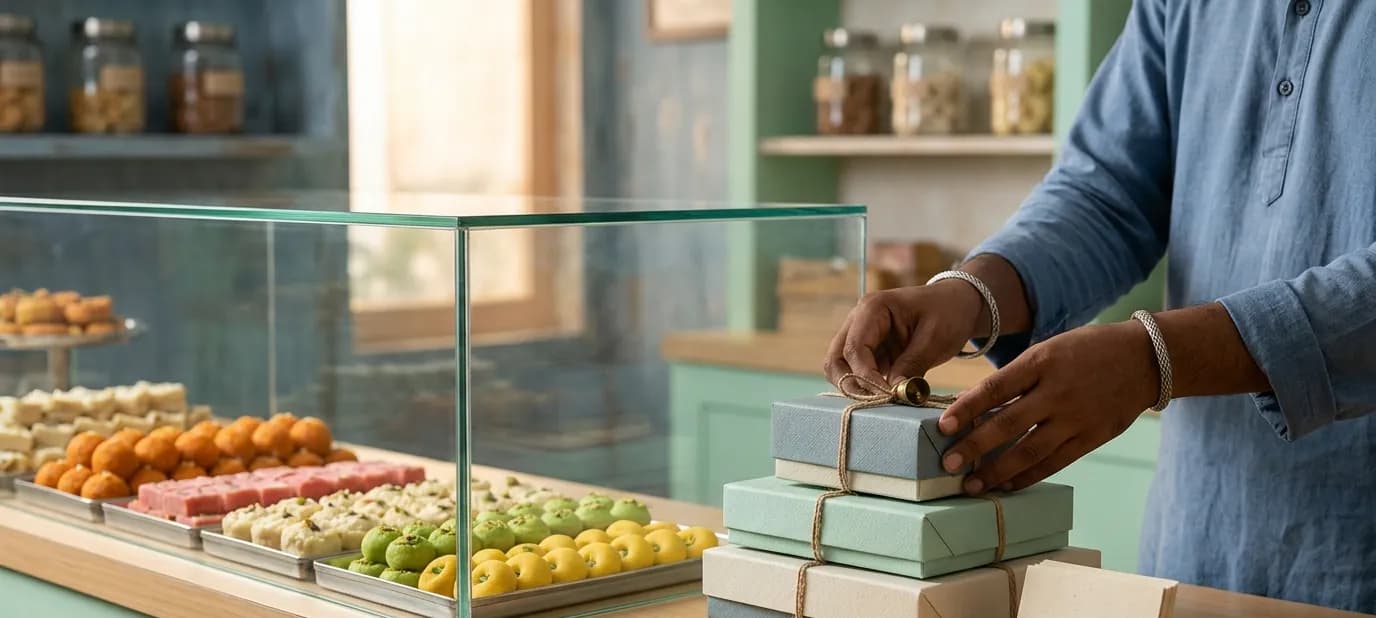
  • A sweet shop counter with neatly arranged boxes of Indian sweets in soft lightGuide
    3 min read

    How Laxman Bikaner got found online

    A well-loved sweet shop and restaurant with loyal local customers, and an online presence that didn't match its reputation. Here's what we changed, step by step.

    Read the guide
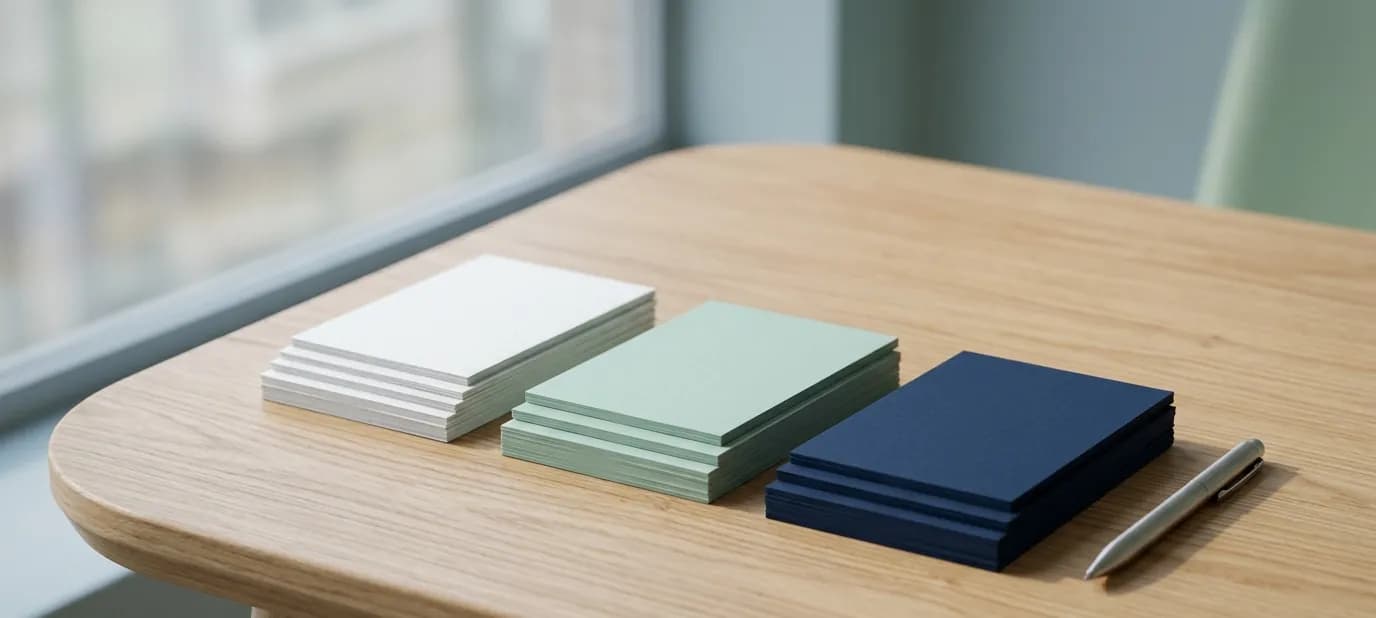
  • Printed brand colour swatches and a logo sketch on a light wooden deskGuide
    3 min read

    What is brand identity? (It's more than a logo)

    Your brand identity is how people recognise your business at a glance: your logo, colours, fonts and the way you speak. Here's what it includes, and why it matters for a local business.

    Read the guide
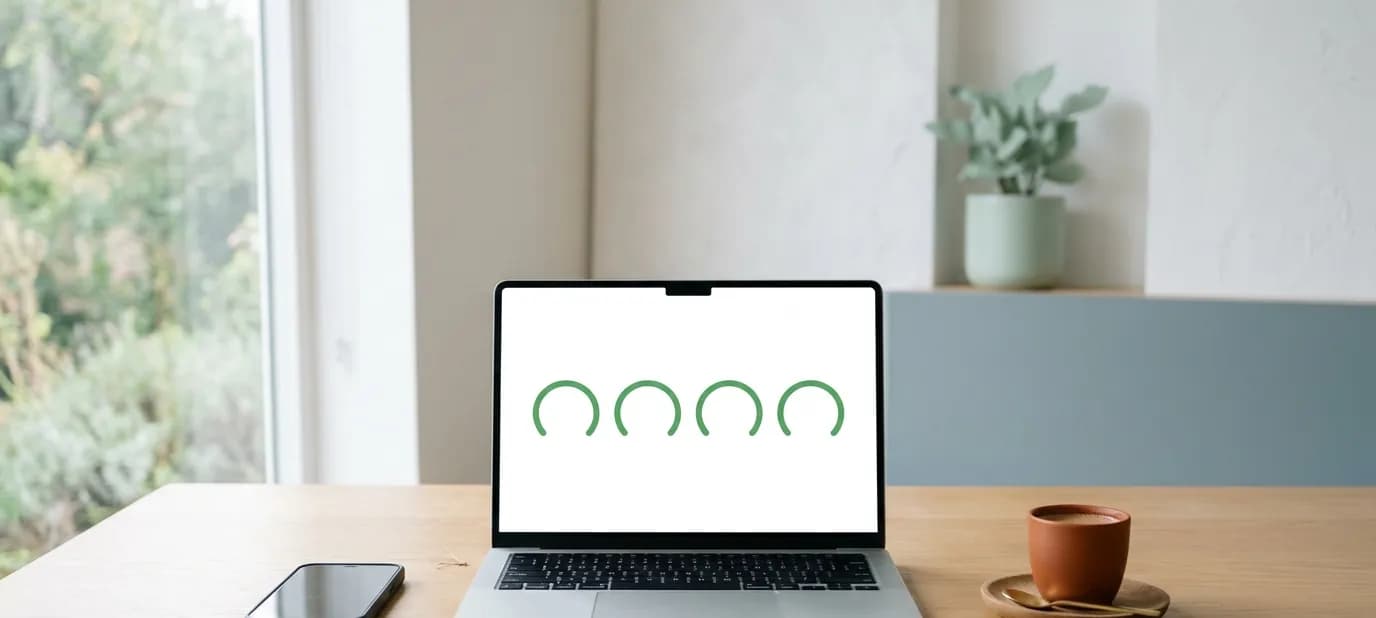
  • A laptop on a desk showing four green circular score gaugesGuide
    3 min read

    What is Google Lighthouse, and what do its four scores mean?

    Lighthouse is Google's free tool for checking a website's quality. Here's what its four scores (Performance, Accessibility, Best Practices and SEO) actually measure, and why they matter to a business.

    Read the guide
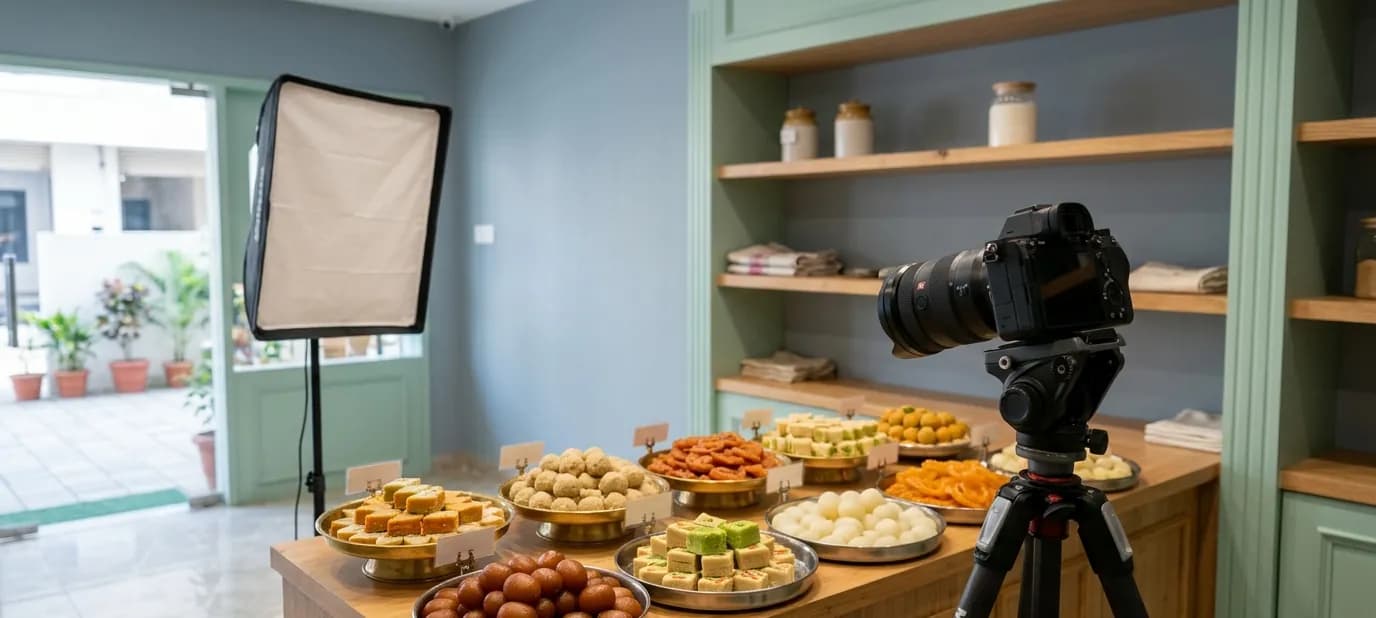
  • A camera on a tripod in a bright, tidy shop interiorGuide
    3 min read

    Why real photos beat stock photos

    Stock photos are quick, but customers can tell. Here's why real photos of your shop, products and food do more for a local business, and how to get good ones.

    Read the guide

  • A calm desk with a laptop showing a simple website status pageGuide
    3 min read

    Why your website needs maintenance after launch

    A website isn't finished the day it goes live. Details change, software needs updates and problems are easier to catch early. Here's what maintenance really means, in plain words.

    Read the guide

  • A small stack of elegant business cards on a shop counter, one held between two fingers
    4 min read

    Business cards that still work in a digital world

    Everyone has a phone, so do business cards still matter? For local businesses, yes, if they're designed for how people use them today. Here's what a good card includes and what to leave off.

    Read the post
  • A neat row of different small shops along a quiet Indian market street
    2 min read

    Choosing the right business category on Google

    Your category tells Google which searches to show you for. Pick the wrong one and the right customers may never see you. Here's how to choose well.

    Read the post
  • A young man tapping on his phone with a relaxed smile in a bright, calm room
    4 min read

    Core Web Vitals explained for business owners

    Core Web Vitals are Google's three measures of how a web page feels to real visitors: how fast it loads, how quickly it responds and how steady it stays. Here's what each one means, in plain words, and why it matters for a small business.

    Read the post
  • A shopkeeper photographing a neat product display on a phone in a bright local shop
    4 min read

    Facebook page or Instagram: what works for local shops?

    Facebook and Instagram are both owned by Meta, but local customers use them differently. Here's how to decide whether your shop needs one, the other or both, and how to look after them without it taking over your day.
    Read the post
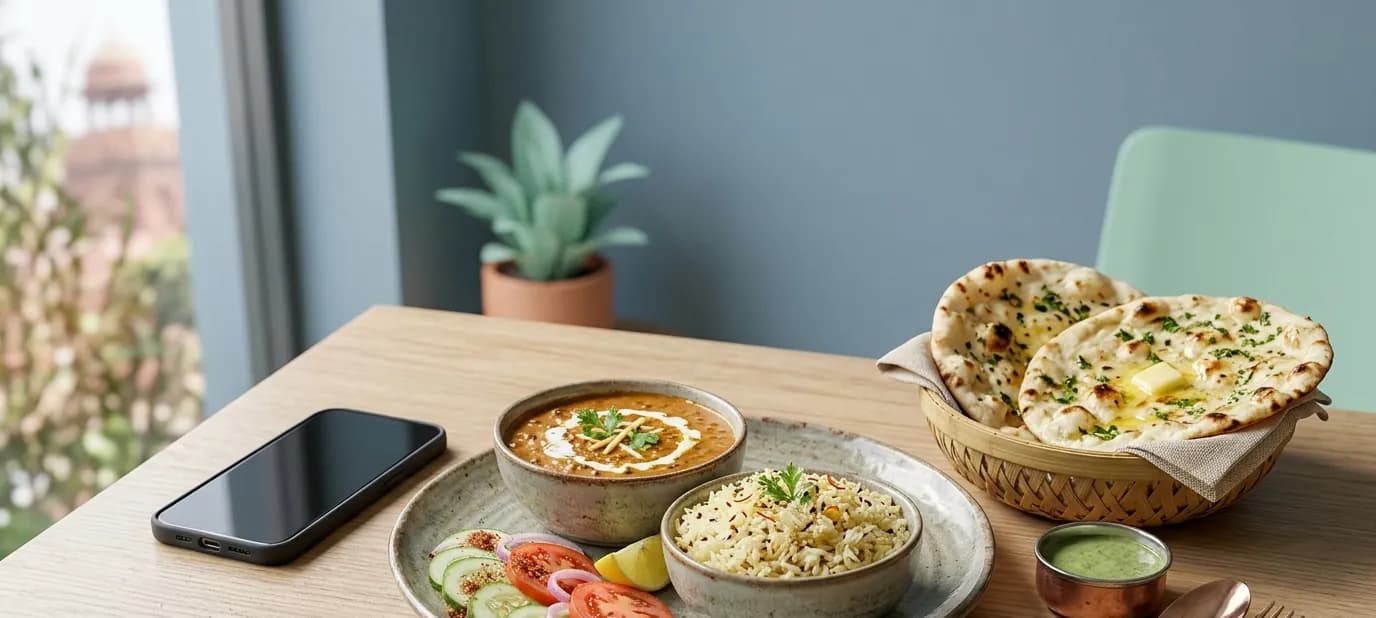
  • A thali of colourful Indian dishes on a wooden table, lit by soft window light
    4 min read

    Food photography basics for restaurants and sweet shops

    Good food photos make people hungry; bad ones can put them off a dish they'd love. Here are the basics of photographing food well, from light and angles to styling, with Indian dishes and sweets in mind.

    Read the post
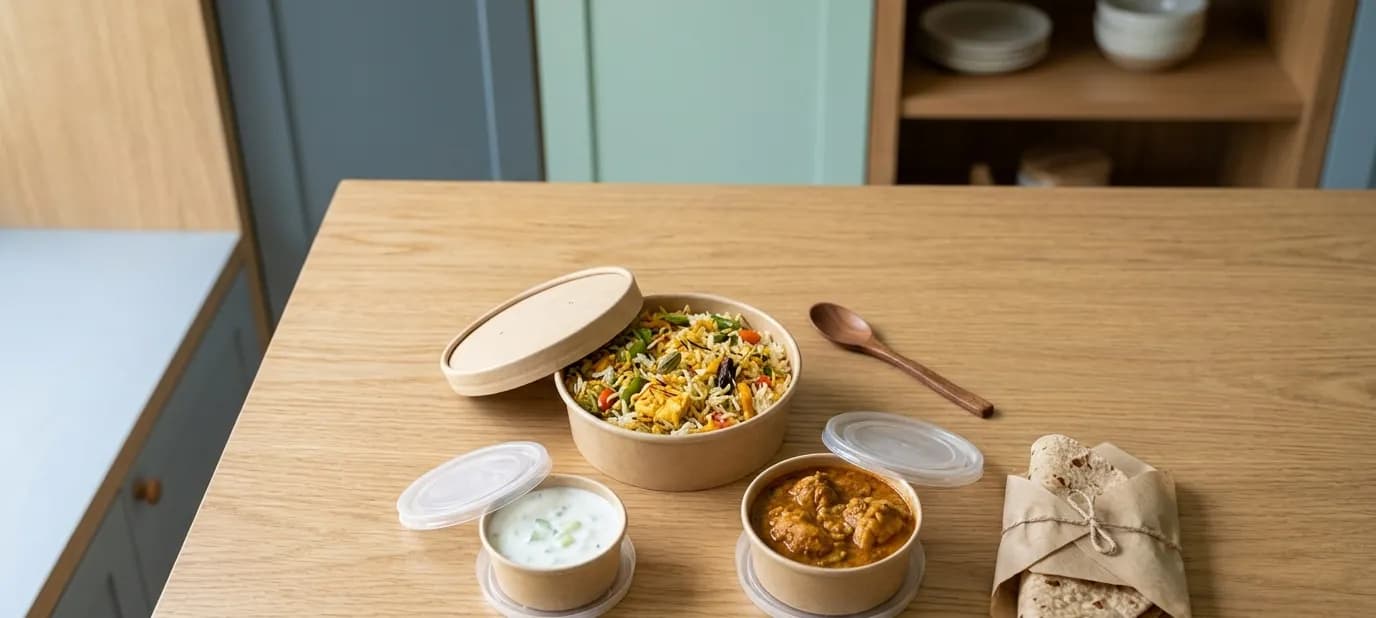
  • A neatly packed delivery meal in containers, photographed from above on a clean table
    4 min read

    Food photos for delivery apps

    On Zomato and Swiggy, a dish photo is often the reason someone taps “Add”. Here's what makes a good delivery photo, how it differs from a restaurant photo, and how to keep it honest so customers aren't disappointed.

    Read the post
  • A man in a quiet shop aisle glancing patiently at his phone, as if waiting for a page to load
    4 min read

    How a slow website quietly loses customers

    A slow website doesn't send complaints. People simply leave and choose another business. Here's why speed matters, what usually slows a small-business website down, and how to check yours.

    Read the post
  • A calm, bright clinic reception with a wooden desk, a plant and soft daylight
    4 min read

    How Diabete Aider built trust online

    A respected diabetes practice whose patients found it by word of mouth, with little to show them online. Here's how a clear, informative website, a proper Google profile and solid search foundations changed that.

    Read the post
  • A small plant growing in a pot on a sunny shop windowsill
    2 min read

    How long does SEO take to work?

    Some SEO improvements show up quickly; others build over months. Here's a realistic timeline for a local business, and what affects it.

    Read the post
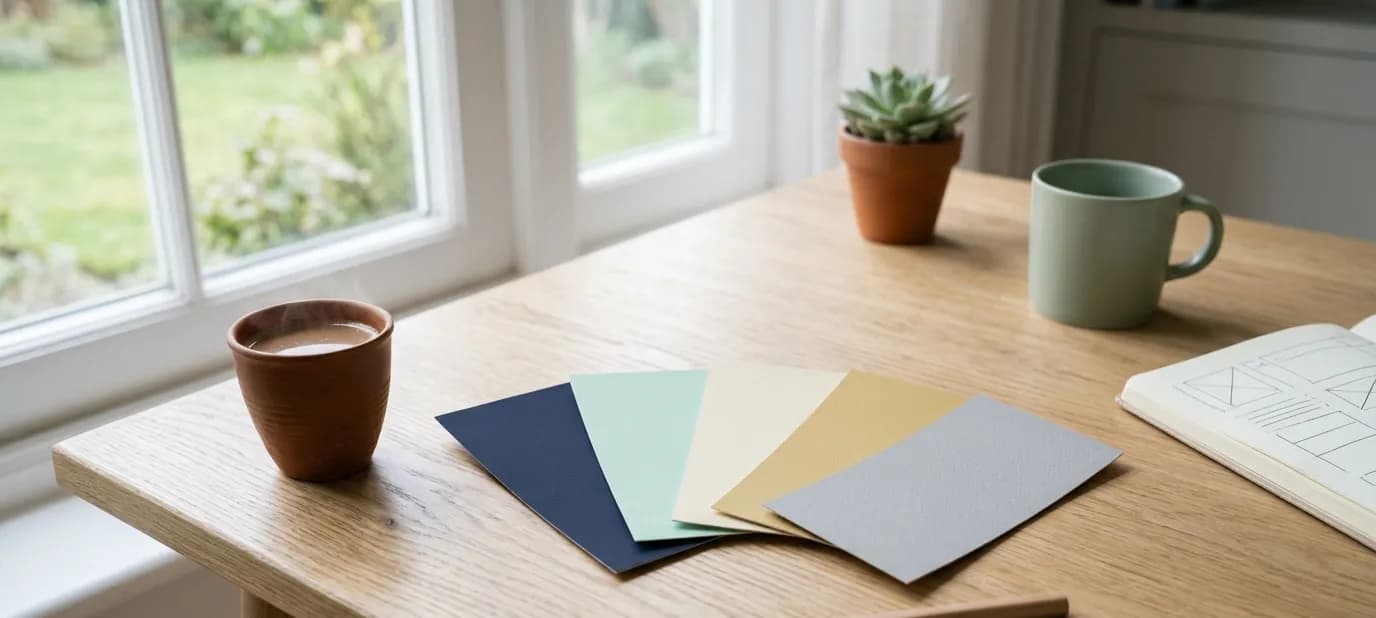
  • Paint swatch cards in a few calm colours fanned out on a wooden table
    4 min read

    How to choose brand colours for your business

    Your colours are often the first thing customers recognise, before they read a single word. Here's a practical way to choose a small set of brand colours that suit your business and work everywhere.

    Read the post
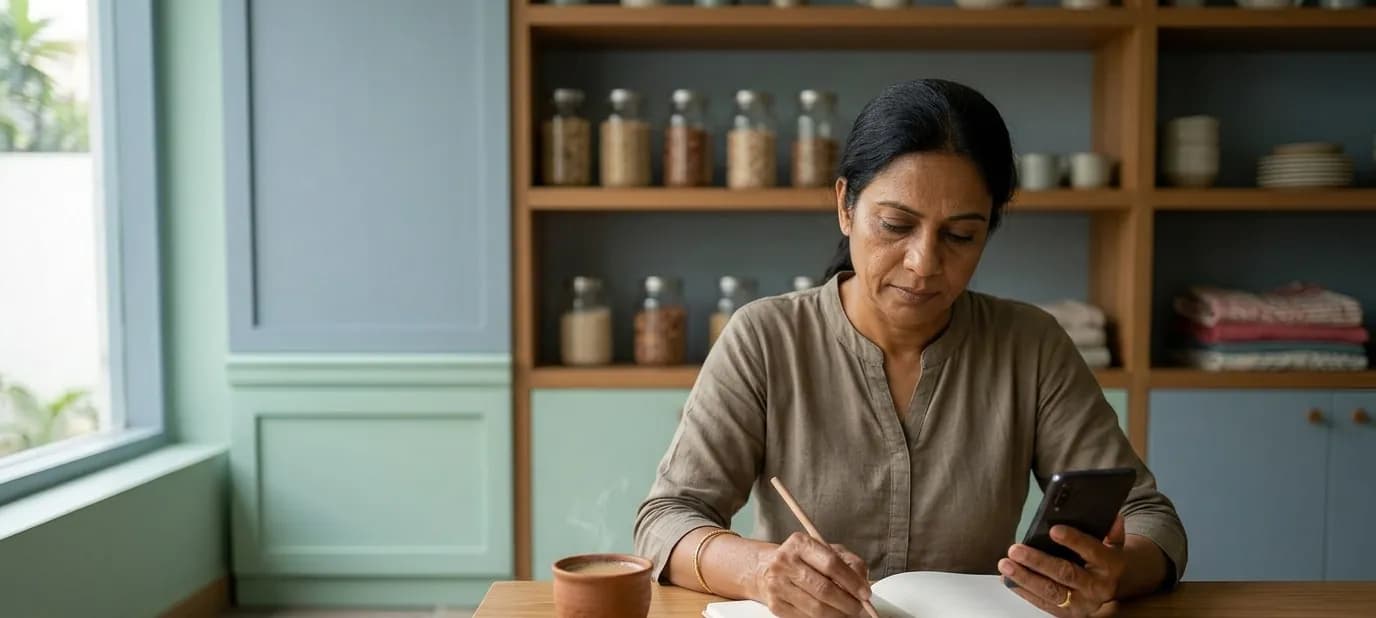
  • A shop owner at the counter looking at a phone, with a notebook open beside it
    2 min read

    How to claim a Google listing someone else created

    Your shop may already be on Google, added by a customer or by Google itself. Here's how to take ownership of that listing, step by step, so you control what it says.

    Read the post
  • A shop owner arranging jars and boxes neatly on a shelf in his quiet, freshly cleaned shop in the morning
    4 min read

    How to prepare your shop for a photoshoot

    A little preparation makes a photoshoot faster, calmer and far better. Here's a simple checklist for getting your shop, products and team ready, from a week before to the morning of the shoot.

    Read the post
  • A café owner holding a phone at a sunny counter, setting up the shop's profile
    4 min read

    How to set up an Instagram business profile properly

    A complete Instagram business profile tells customers who you are, where you are and how to reach you, even before they look at a single post. Here's how to set it up properly, step by step.

    Read the post
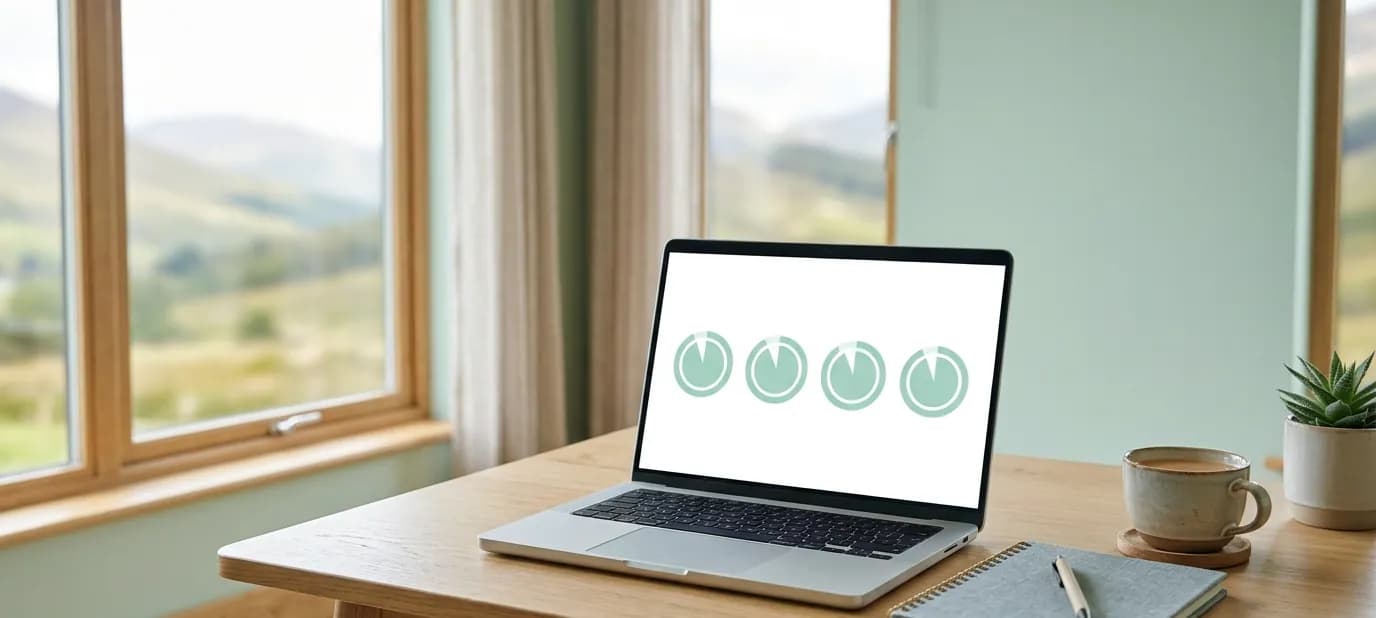
  • A laptop on a desk showing four simple circular score gauges in soft green
    4 min read

    How to test your own website with PageSpeed Insights

    PageSpeed Insights is Google's free tool for checking how fast and well-built your website is. Here's how to run a test, how to read the results without getting lost, and which suggestions actually matter for a small business.

    Read the post
  • A small brass padlock on a wooden table beside a laptop in soft light
    4 min read

    HTTPS and SSL: what the padlock really means

    The small padlock next to a web address means the connection is private and secure. It doesn't mean the website itself is trustworthy. Here's what HTTPS and SSL really do, why every business website needs them, and what to check on yours.

    Read the post
  • A person at a light wooden desk looking carefully at a phone, with a notebook of ticks beside them
    4 min read

    Inside our free Google check: the 8 things we look at

    Our free Google check looks at how your business shows up online today, the way a new customer would see it. Here are the eight things we look at, why each one matters, and exactly what happens after you ask.

    Read the post
  • A restaurant owner at a table, comparing a printed menu card with a tablet and a phone in front of her
    4 min read

    Keeping prices and menus consistent across every platform

    Your menu probably lives in five places: the shop, Zomato, Swiggy, your website and Google. When they disagree, customers get confused and orders go wrong. Here's how to keep every version of your menu in step.

    Read the post
  • A printed menu card lying next to a phone and a laptop that show the same design
    4 min read

    Keeping your print and online branding consistent

    Your boxes, menus and banners are designed by printers; your website and profiles by someone else. Here's how to make sure what customers hold matches what they see on their phones.

    Read the post
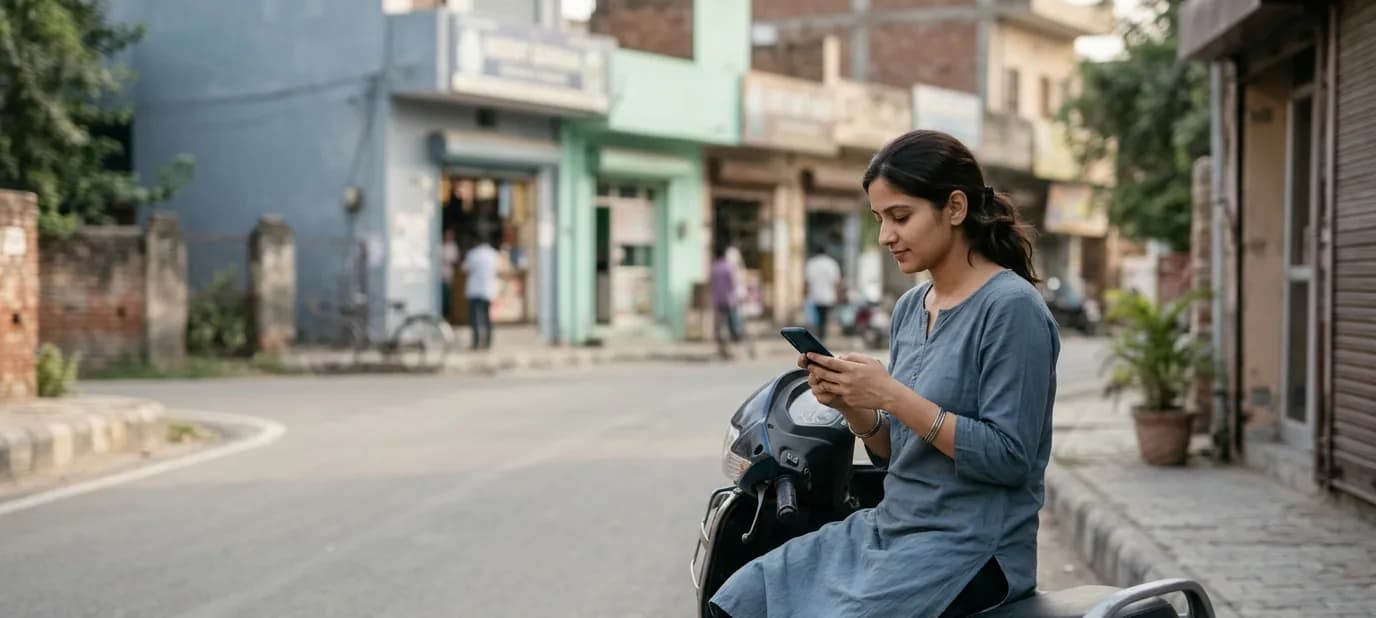
  • A woman standing on a market street outside a shop, looking at her smartphone
    4 min read

    Mobile first: why your website must work on a phone

    Most of your customers will see your website on a phone, often on mobile data and in a hurry. Here's what “mobile first” means and how to tell whether your website passes.

    Read the post
  • A neat stack of ready-packed boxes on a counter, prepared in advance for customers
    4 min read

    Next.js explained without the jargon

    Next.js is the tool we use to build most of our websites. Here's what it is in plain words, why it makes websites fast and secure, how it compares with WordPress, and when it's the right choice for a small business.

    Read the post
  • A gift box, a visiting card, a paper bag and a phone arranged together on a counter, all in the same colours
    4 min read

    One look everywhere: your sign, website, profiles and print

    Customers meet your business in many places: the shop sign, Google, Instagram, a box, a visiting card. When they all look the same, you look established and easy to recognise. Here's how to get there.

    Read the post
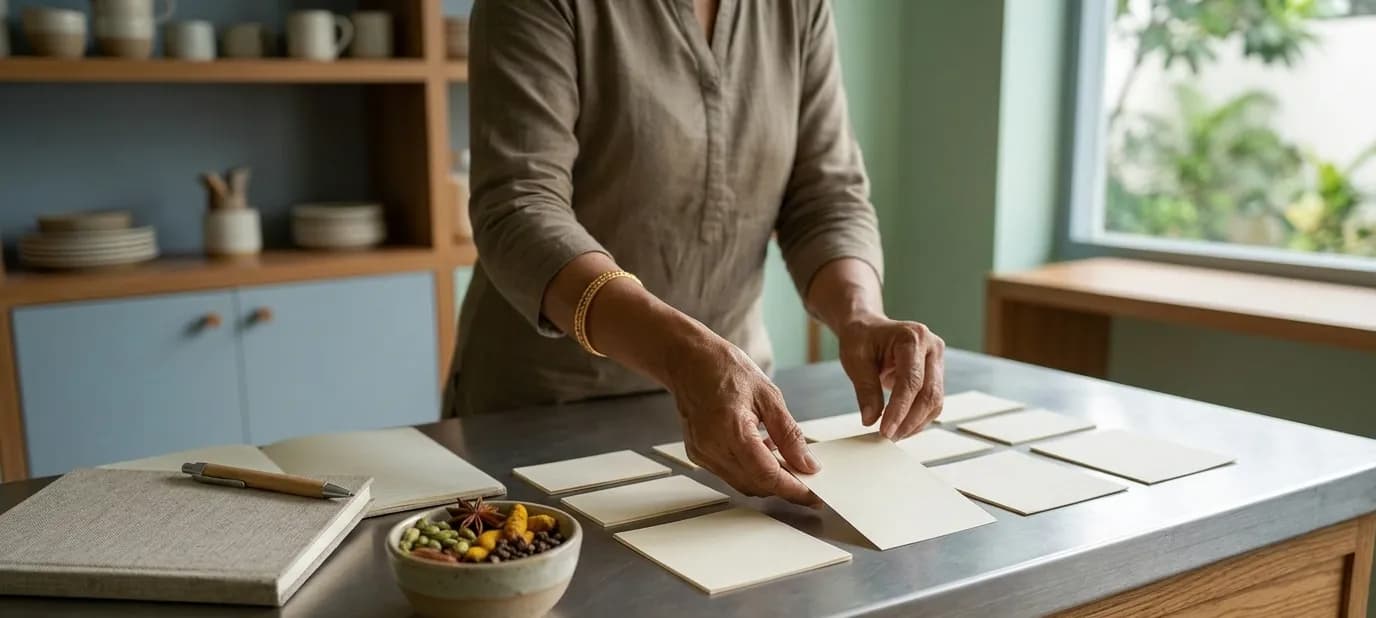
  • A restaurant owner's hands sorting small menu cards into neat rows on a kitchen counter
    4 min read

    Organising your delivery menu: categories that work

    On Zomato and Swiggy, customers scroll fast and decide faster. A well-organised menu helps them find what they want and order more easily. Here's how to structure categories, names and options so your menu works.

    Read the post
  • A neat stack of gift boxes and jars with plain matching labels on a wooden shop shelf
    4 min read

    Signage, packaging and labels: the basics

    Your shop sign, boxes and labels are seen by more people than almost anything else you make. Here are the basics of getting them right: readable, recognisable and connected to your business online.

    Read the post
  • A woman sitting in a café scrolling through photos on her phone, deciding where to go
    4 min read

    The photos customers look for on Google

    When people look at your business on Google, they scroll through photos to answer practical questions before they visit. Here's what they're looking for, how customer photos fit in, and how to make sure the right photos show.

    Read the post
  • A shop entrance decorated with marigold garlands and diyas for a festival, in soft evening light
    4 min read

    Updating your listing and website for festivals and holidays

    Festivals bring your busiest days and your most-searched hours. Here's how to update your Google listing, website and profiles before Diwali, Eid, Christmas and other holidays, so customers find the right hours and offers.

    Read the post
  • A large framed photograph beside a small neat print of the same image on a light desk
    4 min read

    WebP and AVIF: why modern images make websites faster

    Photos are usually the heaviest part of a small-business website. Modern formats like WebP and AVIF make them much smaller with no visible loss in quality. Here's what they are and why they matter.

    Read the post
  • A smiling older man with glasses reading his phone comfortably on a bench in morning light
    4 min read

    Website accessibility: why it's good for business

    An accessible website is one everyone can use, including people with poor eyesight, older customers and people who can't use a mouse. Here's what accessibility means, why it's good for business, and the basics every small-business site should get right.

    Read the post
  • A business owner's hand holding a set of shop keys over a tidy counter
    4 min read

    What “you own the domain” means, and why it matters

    Your domain is your business's address online, and it should be registered in your name. Here's what owning it really means, how to check who holds yours, and how ownership works when we build your website.

    Read the post
  • A row of small neighbourhood shop counters stocked with the same goods, seen along a quiet street
    4 min read

    What is a CDN, and why does it make your site faster?

    A CDN keeps copies of your website in many places around the world, so each visitor is served from somewhere nearby. Here's how it works in plain words, why it makes sites faster and more reliable, and whether a small business needs one.

    Read the post
  • A shop owner at a calm desk ticking a checklist in a notebook, phone in hand and a cup of chai beside her
    4 min read

    What to check on your Google listing every month

    A Google listing isn't a set-and-forget job. Customers suggest edits, reviews arrive, photos go stale and details change. Here's a simple monthly checklist that takes about fifteen minutes and keeps your listing working for you.

    Read the post
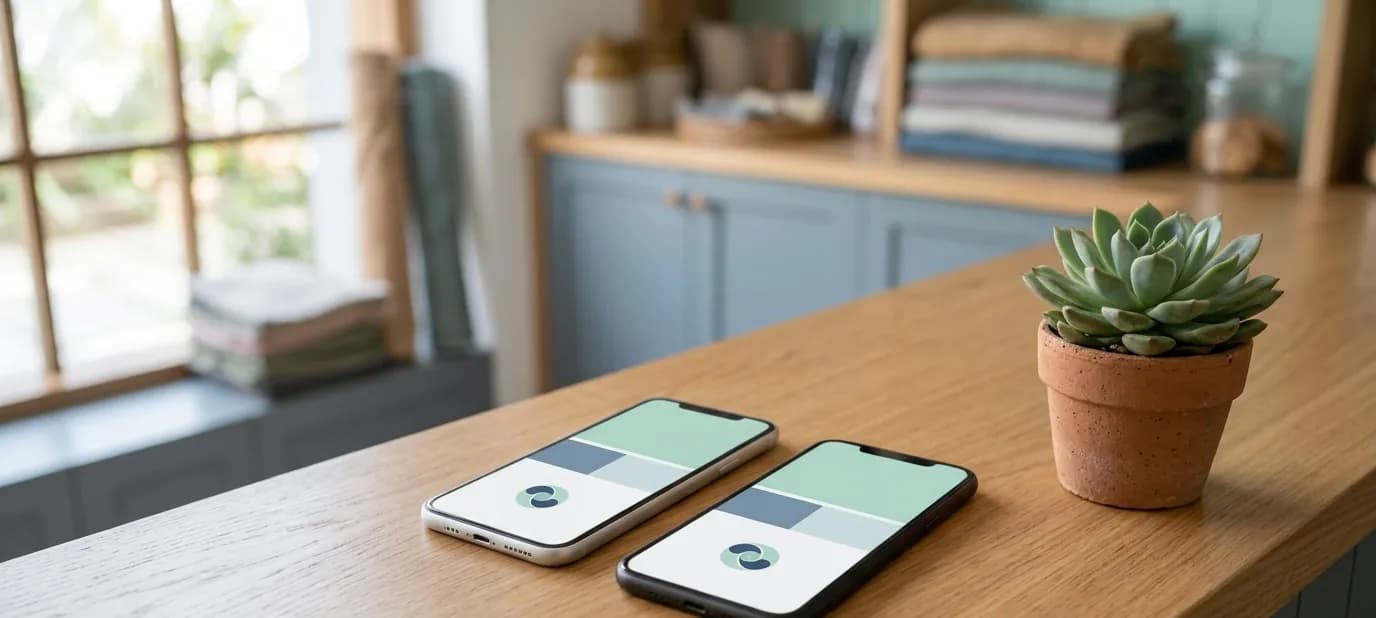
  • Two phones side by side on a shop counter, showing matching business profiles
    4 min read

    Why your social profiles should match your Google listing

    When your Instagram, Facebook and Google listing show different names, numbers or hours, customers get confused and Google trusts you less. Here's why matching matters and how to bring everything in line.

    Read the post
  • Neatly packed parcels with ribbons on a shop counter, ready to be sent to online customers
    4 min read

    WooCommerce vs Shopify for a small Indian shop

    WooCommerce and Shopify are the two most common ways for a small business to sell online. Here's how they differ in cost, control, upkeep and payments, and which suits which kind of shop.

    Read the post

How does your business look on Google?

We'll check your listing for free and talk you through what we find. No obligation.

Free Google check